There is no universal answer to whether renovating or rebuilding is better. The right choice depends on the condition of the house, the planning rules that apply, your budget and how attached you are to what is already there. These are the questions we work through with clients.
What is the house really like?
A building inspection is the first step. Footings, roof framing, wiring and plumbing all affect the cost of keeping a house. A structurally sound home with good bones is often worth extending, while one with widespread defects may cost more to repair than to replace.
What would you miss?
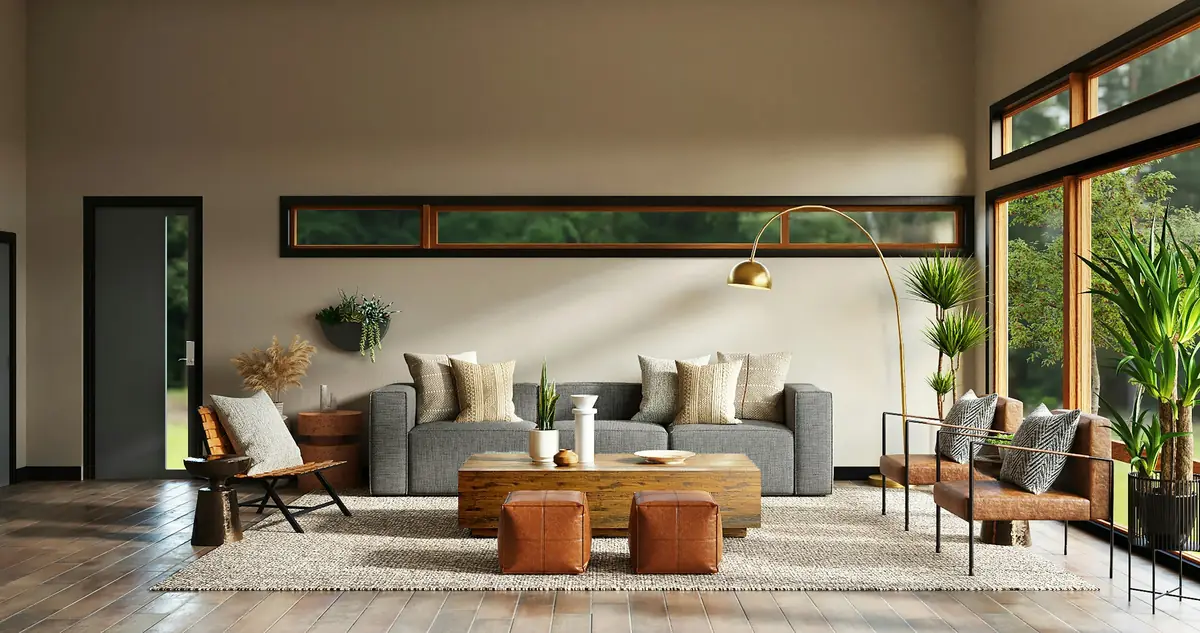
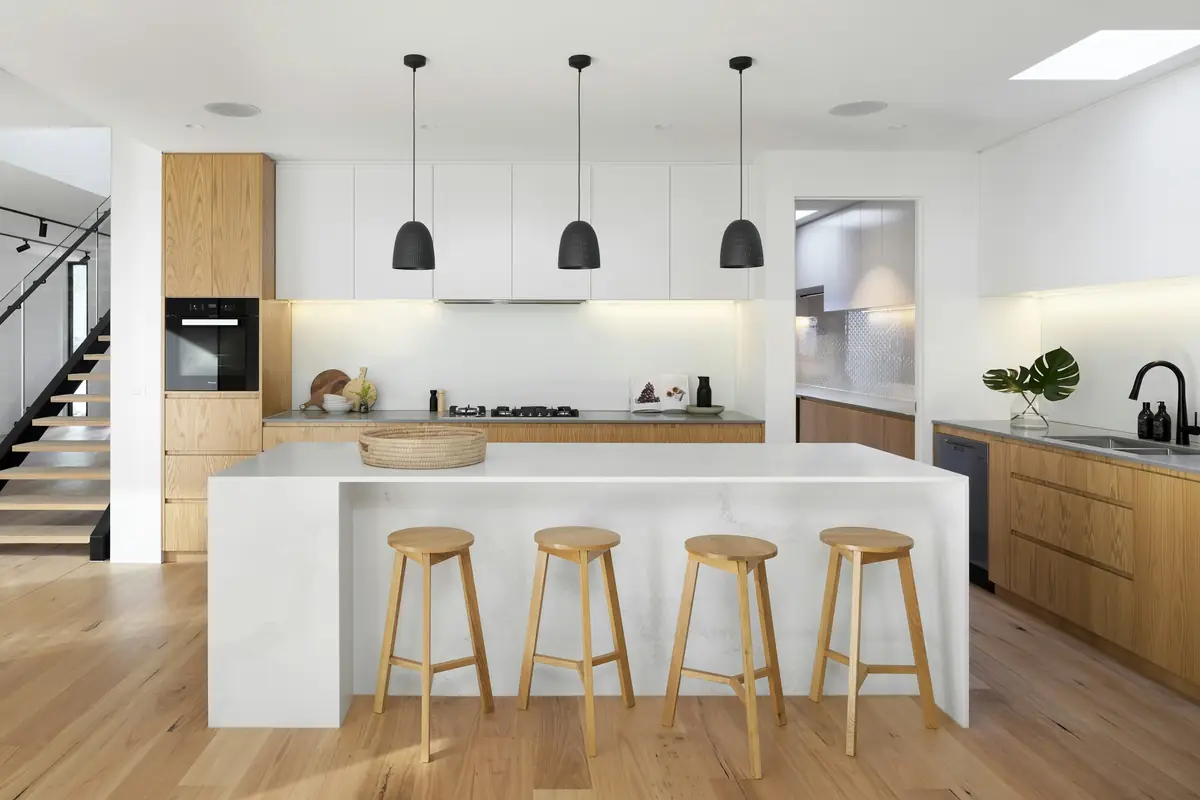
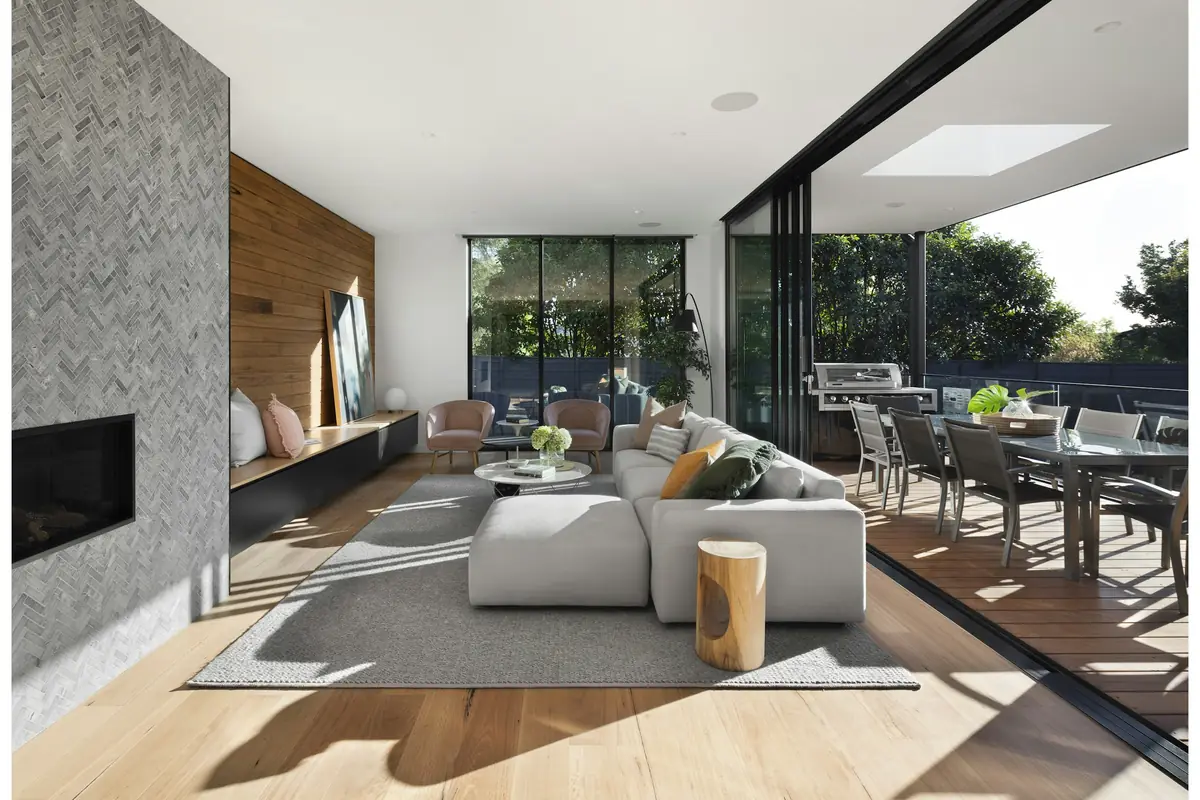
Original features such as high ceilings, timber floors and a well-proportioned street front are difficult to recreate. If those qualities matter to you, a renovation that restores the front rooms and adds a contemporary living space behind can offer the best of both.
Often the most interesting homes are conversations between old and new.
What do the planning rules allow?
Local planning schemes and heritage policies can protect the existing house, or the streetscape, in some Perth suburbs. Demolition may require approval, and new work may need to meet setback and height requirements under the Residential Design Codes. We review these controls early, because they can make the decision for you.
How does the budget compare?
Extensions are not automatically cheaper. Working with an existing structure brings unknowns, and matching old and new can be painstaking. A like-for-like comparison should include demolition, temporary accommodation, landscaping and the cost of upgrades the existing house would need regardless.
How will you live during the works?
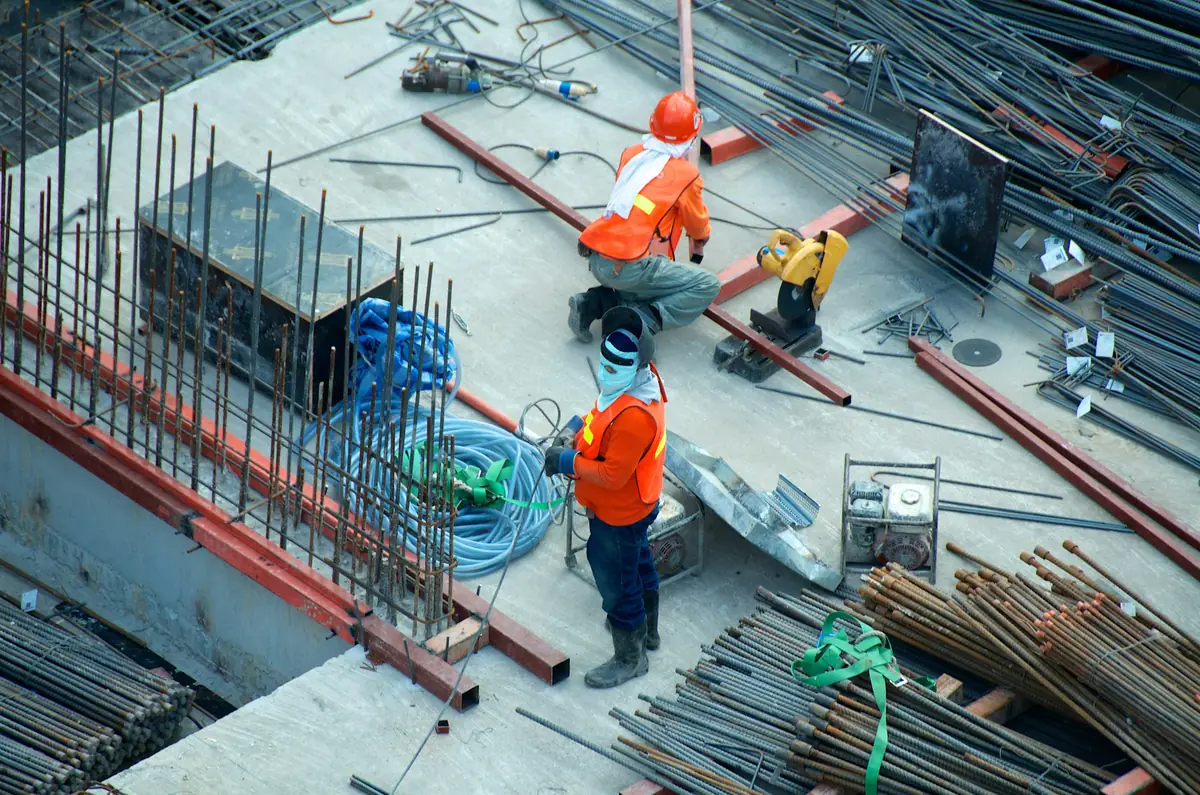
A rebuild means moving out for the full construction period. Some renovations can be staged so the family stays in part of the house, though this usually extends the programme. Being realistic about disruption is part of a good decision.
What about sustainability?
Keeping an existing structure retains the energy and materials already embodied in it. On the other hand, a new home can be designed for orientation and efficiency from scratch. We look at both sides rather than assuming one is always greener.
A sensible next step
Most clients find clarity after a site visit and a short feasibility study that tests both options side by side. Seeing two realistic paths, with indicative costs and timelines, turns a difficult decision into an informed one.
Written for this demonstration by Pixakova. Aurelia Homes and its team are fictional; the guidance is general and is not professional advice for any specific site.